The third Nonturn album, made entirely from the streets in and around Koenji, Tokyo. Seven instrumental tracks, all at 96 BPM, roughly 38 minutes. Every sound is a real fragment of the town, recorded and edited into music without a single instrument. Audiobulb Records, AB179, 22 August 2026.東京・高円寺を中心とした生活圏の街の音だけで作られた3rdアルバム。全7曲・全曲インストゥルメンタル・全曲96BPM、約38分。すべての音は楽器を一切使わず、街の実在する断片を録音・編集して音楽にしたもの。Audiobulb Records / AB179 / 2026年8月22日。
A long interview with Artur Mieczkowski, editor-in-chief of the Polish experimental music magazine Anxious Magazine, published in full in both Polish and English. Fifteen questions: the Moog records heard as a child, the years spent in drum’n’bass, walking Tokyo with a recorder in a pocket, what a machine is allowed to touch and what it is not, and why the streets are photographed and recorded as the same material.ポーランドの実験音楽誌 Anxious Magazine の編集長 Artur Mieczkowski によるロングインタビュー。ポーランド語版と英語版の全文が掲載されています。全15問。子供のころに聴いた冨田勲のレコードのこと、ドラムンベースに費やした年月のこと、ポケットにレコーダーを入れて東京を歩くこと、機械に触らせるものと触らせないもの、そして街を撮ることと録ることが同じ素材である理由まで。
“If I sensed something was about to happen, I’d press record while it was still in my pocket, then whip it out like a gunslinger on the quick draw. Even I think I was being a bit of a creep.”「何かが起きる予感がしたら、ポケットの中で録音ボタンを押してから、早打ちのガンマンのように引き抜く。我ながら気持ち悪いやつだと思うよ」
“AI is less a collaborator than an excellent member of staff. I don’t let it touch the core of the composition or the concept.”「AIは共作者というより、優れたスタッフだね。作曲やコンセプトの根幹は一切触らせないよ」
“Street sound is far more photographic. After all, I spend my days walking so I can record that decisive moment.”「ストリートのサウンドのほうが、よほど写真的だ。決定的な一瞬を録るために、日頃から歩き続けているんだから」
2 September 2026 · Matthew Blackwell2026年9月2日 / Matthew Blackwell
Editorial Selection — Bandcamp Daily, The Best Field Recordings on Bandcamp, August 2026編集部選出 — Bandcamp Daily「The Best Field Recordings on Bandcamp, August 2026」
Bandcamp's own editorial arm selected nine records for its monthly field-recording round-up, Repeating Town among them, alongside Jez riley French, Jim Nollman and Gil Sansón. It is also the only piece written anywhere so far to cover the video work — that each sound was filmed as it was recorded, and that an Ableton session matches the sounds to their clips so a mosaic of images is generated in time with the tracks.Bandcamp 公式のエディトリアル部門による月例特集で、9作品のひとつに『Repeating Town』が選ばれました。同じ記事には Jez riley French、Jim Nollman、Gil Sansón らが並んでいます。これまでの掲載の中で唯一、映像作品に触れている記事でもあります——すべての音が録音と同時に撮影されていること、Ableton のセッションが音と映像の断片を対応させ、曲の進行に合わせて画像のモザイクが生成されることが説明されています。
"As music, Repeating Town is a great, glitchy electronica album; as a field recording, it's a fantastic exploration of the rhythms of the city."「音楽としては、素晴らしくグリッチーなエレクトロニカ作品。フィールドレコーディングとしては、都市のリズムの見事な探究だ」
31 August 2026 · "Repetition" · Daniel Blumin2026年8月31日 /「Repetition」/ Daniel Blumin
Airplay — WFMU 91.1 FM (Jersey City, New Jersey, USA)オンエア — WFMU 91.1 FM(アメリカ・ニュージャージー州ジャージーシティ)
WFMU is the best known freeform station in the United States, broadcasting from Jersey City into Manhattan since 1958 and run without any commercial or institutional backing. "Repetition" was played in Daniel Blumin's show at 1:28:30, immediately before a piece by Taylor Deupree.WFMU は1958年からジャージーシティを拠点にマンハッタン圏へ届いている、アメリカでもっとも知られたフリーフォーム局。広告も母体組織も持たずに運営されています。Daniel Blumin の番組で「Repetition」が 1:28:30 にオンエアされ、その直後に Taylor Deupree の楽曲が流れました。
A review of Repeating Town by Artur Mieczkowski, editor of the Polish experimental music magazine Anxious Magazine.ポーランドの実験音楽誌 Anxious Magazine に、編集長 Artur Mieczkowski によるレビューが掲載されました。
"Nonturn does the opposite: he strips these sounds of their documentary function and tests what happens to them when they are treated as musical material. Footsteps, signals and the working of machines are reduced to a rhythm, a brief accent or a repeating texture. … And when, after listening, we step back out onto our own street — to the signals, the footsteps, the steady hum of machines — it is hard not to notice that music like this is already there."「Nonturn はその逆をいく。これらの音から記録としての機能を剥ぎ取り、音楽の素材として扱ったときに何が起こるかを試す。足音も、信号も、機械の稼働音も、リズムへ、短いアクセントへ、反復するテクスチャーへと還元されていく。……そして聴き終えて自分の通りへ戻ったとき——信号へ、足音へ、機械の低い唸りへ——このような音楽がすでにそこにあることに、気づかずにいるのは難しい」
19 August 2026 · Paul Casey2026年8月19日 / Paul Casey
Review — Musique Machine (UK) — ★★★★★レビュー掲載 — Musique Machine(イギリス) — ★★★★★
A five-star review in the British experimental and noise magazine Musique Machine, written by Paul Casey.イギリスの実験音楽/ノイズ専門誌 Musique Machine に、Paul Casey による5つ星(満点)のレビューが掲載されました。
"Nonturn takes these repetitive city cycles, repurposes their sounds, and structures them into a new, 96 BPM cycle. Rearranging the recorded sounds to form something musical from nothing, this dada-esque reconstruction makes art from the repetitive chaos."「Nonturn は街の反復するサイクルを取り上げ、その音を用途から外し、96 BPM という新しいサイクルへと組み直す。録音された音を並べ替え、無から音楽的なものを立ち上げる——このダダ的な再構築が、反復する混沌を芸術に変えている」
19 August 2026 · “Indicate” · Kate Carr2026年8月19日 /「Indicate」/ Kate Carr
Airplay — ROVR, Spring Reverb by Kate Carrオンエア — ROVR「Spring Reverb」/ Kate Carr
Kate Carr is a sound artist and field recordist based in London, who runs the Flaming Pines label and has performed at Tate Modern, the Barbican and Donaueschinger Musiktage. “Indicate” was the twenty-fifth piece in her show, between Pamela Z, Lorraine James and Jake Muir, and two places before a recording by Pauline Oliveros, Eliane Radigue and Yoshi Wada.Kate Carr はロンドンを拠点とするサウンドアーティスト/フィールドレコーディスト。Flaming Pines レーベルを主宰し、Tate Modern、Barbican、ドナウエッシンゲン音楽祭などで演奏しています。番組の25曲目に「Indicate」がオンエアされ、Pamela Z、Lorraine James、Jake Muir と並び、2つ後ろには Pauline Oliveros、Eliane Radigue、Yoshi Wada の録音が置かれていました。
Zeit-Ton is the contemporary and experimental music strand of Ö1, the culture channel of Austria's national broadcaster, on air since 1990. "Indicate" was played and the album listed in the programme's published playlist. This is the largest broadcast the record has had.「Zeit-Ton」は、オーストリア国営放送の文化チャンネル Ö1 で1990年から続く現代音楽・実験音楽の番組。「Indicate」がオンエアされ、番組の公開プレイリストにもアルバムが記載されました。本作としては最大の放送になります。
JazzTokyo is a Japanese web magazine of jazz and experimental music criticism, founded in 2004 under the banner "Jazz and Far Beyond". The writer, Yoshiaki "onnyk" Kinno, is an improvising musician rather than a critic — he runs the Allelopathy label and has played with Evan Parker, Barry Guy, John Zorn and Fred Frith. He builds the review around Liu Cixin's The Three-Body Problem, reading its second part as a prediction of generative AI, and uses that to draw a line.JazzTokyo は2004年創刊、"Jazz and Far Beyond" を掲げる日本のジャズ・実験音楽批評Webマガジン。書き手の金野"onnyk"吉晃は批評家ではなく即興演奏家で、自主レーベル Allelopathy を主宰し、エヴァン・パーカー、バリー・ガイ、ジョン・ゾーン、フレッド・フリスらと共演してきた人物です。レビュー全体を劉慈欣『三体』で組み立て、その第二部を生成AIの預言として読んだうえで、そこから線を引いています。
"Nonturn, of course, is not a generative AI. There is an aesthetics here. The ear that notices the appeal of environmental sound, of real sound — at that moment the collective 'knowledge = hearing' stands up."「もちろんノンターンは生成AIではない。美学がある。環境音、現実音の魅力に気づく耳、その時点で集合された『知=聴覚』は起ちあがる」
An electronic, ambient and space music programme that Bill Fox has hosted on WDIY since 1997. Two tracks were played back to back. Bill Fox had already played the album on his other show, Thought Radio, in August.Bill Fox が1997年から WDIY で続けているエレクトロニック/アンビエント/スペースミュージックの番組。2曲が続けてオンエアされました。Bill Fox は8月にも、もう一つの番組「Thought Radio」で本作をかけています。
14 October 2026 · “Repetition” · Zoon van snooK2026年10月14日 /「Repetition」/ Zoon van snooK
Airplay — ROVR, Ex-Machina by Zoon van snooKオンエア — ROVR「Ex-Machina」/ Zoon van snooK
A show of “brand new, forthcoming and from-the-vaults Oddtronica”. “Repetition” was the seventh of 29 tracks, in an episode that also carried Boards of Canada, Nathan Fake, Emily A. Sprague, and Tujiko Noriko with AOKI takamasa.「新譜、近日リリース、蔵出しのオッドトロニカ」を掛ける番組。全29曲の7曲目に「Repetition」がオンエアされました。同じ回には Boards of Canada、Nathan Fake、Emily A. Sprague、Tujiko Noriko と AOKI takamasa も並んでいます。
3 October 2026 · Guillermo Escudero2026年10月3日 / Guillermo Escudero
Interview — Loop / Música Marginal (Chile)インタビュー掲載 — Loop / Música Marginal(チリ)
An email interview with Guillermo Escudero, who reviewed the album for the same magazine in August. Published in Spanish and English.8月に同誌でレビューを書いてくれた Guillermo Escudero によるメールインタビュー。スペイン語と英語で掲載されています。
31 August 2026 · Roland Torres2026年8月31日 / Roland Torres
Review — Silence and Sound (France)レビュー掲載 — Silence and Sound(フランス)
A review on the French experimental music site Silence and Sound, written by Roland Torres, who had already selected the album for his own ¡NO DANCE! mix.フランスの実験音楽サイト Silence and Sound に、Roland Torres によるレビューが掲載されました。彼は自身のミックス「¡NO DANCE!」でも先に本作を選曲しています。
"A poetic ode to contemporary musicality. … A distorting, multifaceted mirror to the repetition of our world. Fascinating."「現代の音楽性への詩的な頌歌。……我々の世界の反復に対して、歪んだ多面的な鏡を差し出す。魅了される」
A long review on the British experimental and noise site Aural Aggravation, opening on the idea that every city carries not only a mood but a vibration, and that a large city is really a set of districts each with its own feel.イギリスの実験音楽/ノイズ系サイト Aural Aggravation に長めのレビューが掲載されました。どの街にも空気だけでなく振動があること、そして大きな都市とは、それぞれ固有の感触を持つ地区の集まりに他ならない、という導入から始まっています。
"An album which is built on glitches and trilling synth loops, whirring buzzes and the occasional explosive blast which disrupts an otherwise smooth surface."「グリッチと震えるシンセのループ、唸るようなブザー音、滑らかな表面を断ち切る時折の爆発の上に組み立てられたアルバム」
30 August 2026 · Guillermo Escudero2026年8月30日 / Guillermo Escudero
Review — Loop / Música Marginal (Chile)レビュー掲載 — Loop / Música Marginal(チリ)
The first coverage from South America, published in Spanish and English, and the only piece so far to go through the album track by track.南米からは初めての掲載。スペイン語と英語の両方で公開され、これまでで唯一、全曲を1曲ずつたどっているレビューです。
"By condensing the city's noise into a rhythmic pulse of 96 BPM, Nonturn finds order within chaos."「街の騒音を96 BPMというリズムの脈拍へと凝縮することで、混沌の中に秩序を見出している」
29 August 2026 · "Fathom", "Disrupt" · Bill Fox2026年8月29日 /「Fathom」「Disrupt」/ Bill Fox
Airplay — Thought Radio #801, WMUH 91.7 FM (Allentown, Pennsylvania, USA)オンエア — WMUH 91.7 FM「Thought Radio」#801(アメリカ・ペンシルベニア州アレンタウン)
WMUH is the non-commercial educational station of Muhlenberg College. Thought Radio, hosted by Bill Fox, has now run to its 801st episode and covers electronic, ambient and space music. Two tracks were played back to back in the Space segment, between Anomalous Disturbances and Billy Denk — the first time two pieces from the album have aired in succession.WMUH は Muhlenberg College の非営利・教育FM局。Bill Fox の番組「Thought Radio」はエレクトロニック/アンビエント/スペースミュージックを扱い、今回で801回目。Space 枠で「Fathom」「Disrupt」の2曲が、Anomalous Disturbances と Billy Denk にはさまれて連続でオンエアされました。本作から2曲続けて流れたのは初めてです。
The student station of the University of British Columbia. Bepi Crespan has hosted this programme of difficult music, harsh electronics, spoken word and cut-up collage since 2014, now past its 1,100th edition. "Stagnant" was played in an episode that also carried Cabaret Voltaire, Conrad Schnitzler, John Oswald's Plunderphonics, Asmus Tietchens and Foodman.ブリティッシュコロンビア大学の学生ラジオ局。Bepi Crespan が2014年から続けている、難解な音楽・ハーシュな電子音・スポークンワード・カットアップコラージュの番組で、放送は1,100回を超えています。「Stagnant」がオンエアされた回には、Cabaret Voltaire、Conrad Schnitzler、John Oswald の Plunderphonics、Asmus Tietchens、食品まつり も並んでいました。
A German site covering new music, jazz and radio, which picked the album for its "Release Tipp" section.新音楽・ジャズ・ラジオ情報を扱うドイツのサイト。「Release Tipp(おすすめリリース)」枠で本作が取り上げられました。
"Among all the madness I listen to here, this groove may be the one I want to hear again and again. … I can hardly believe, listening to it, that this comes from field recordings."「ここで聴いている狂気の全ての中で、何度も何度も聴きたくなるのは、このグルーヴかもしれない。……これがフィールドレコーディングから来ているとは、聴いていてほとんど信じられない」
A long-running ambient and experimental mix series. "Perpetual" opened the mix, at 3:28.長く続いているアンビエント/実験音楽のミックスシリーズ。「Perpetual」が 3:28 から、ミックスの1曲目として選ばれました。
28 August 2026 · "Repetition"2026年8月28日 /「Repetition」
Curated mix — ¡NO DANCE! (3), curated by Roland Torres (France)ミックス選曲 — 「¡NO DANCE!」(3)/選曲 Roland Torres(フランス)
An experimental music mix curated by Roland Torres, who also writes for Silence and Sound. In the same mix: Mike Cooper, Lawrence English, Lusine, Asuka Kakitani and Marie Delprat, drawing on Room40, Relative Pitch, Sub Rosa, LAAPS, Ghostly International and Audiobulb.Roland Torres によるキュレーション・ミックス。彼は Silence and Sound の書き手でもあります。同じミックスには Mike Cooper、Lawrence English、Lusine、柿谷明日香、Marie Delprat らが並び、Room40、Relative Pitch、Sub Rosa、LAAPS、Ghostly International、Audiobulb などの作品が選ばれています。
Hosted and programmed by Kevin Press, The Moderns covers electronic music, sound art, new classical and free jazz, with an emphasis on new releases. Presented courtesy of Radio Regent. In the same three-hour episode, "Disrupt" appeared alongside Siavash Amini & Eugene Thacker and The Bug & Friday Night Plans.Kevin Press が選曲・司会をつとめる「The Moderns」は、エレクトロニック、サウンドアート、現代音楽、フリージャズを新作中心に扱う番組。Radio Regent 提供。3時間の同じ回では、Siavash Amini & Eugene Thacker や The Bug & Friday Night Plans と並んで「Disrupt」が流れました。
22 August 2026 · "Atonement"2026年8月22日 /「Atonement」
Airplay — KEPW 97.3 FM, The Institute of Spectra-Sonic Sound (Eugene, Oregon, USA)オンエア — KEPW 97.3 FM「The Institute of Spectra-Sonic Sound」(アメリカ・オレゴン州ユージーン)
A long-form experimental and noise programme on Eugene's community station. "Atonement" was played among releases from Hyperdub, Bruno Duplant and Unexplained Sounds, in an episode that topped the station's electroacoustic chart.ユージーンのコミュニティ局で放送されている、長尺の実験音楽/ノイズ番組。Hyperdub(Foodman)、Bruno Duplant、Unexplained Sounds などにはさまれて「Atonement」がオンエアされました。この回は局のエレクトロアコースティック・チャート1位。
Covered in the site's monthly digest of new music by Dominic Valvona.Dominic Valvona による月例の新譜ダイジェストで取り上げられました。
"Underlying this often pleasant and understated rhythm of the concrete is the idea of how the city can be made to function as music."「この、しばしば心地よく控えめな、コンクリートのリズムの底にあるのは、街をいかにして音楽として機能させるか、という考えだ」
Hosted by Don Campau, programme director of this non-profit community station, No Pigeonholes has run since the 1980s cassette-culture era; Campau also keeps The Living Archive of Underground Music. He found the album himself on Bandcamp and wrote in — the only play here that came from neither promotion nor outreach.ホストの Don Campau は、この非営利コミュニティ局の番組ディレクター。「No Pigeonholes」は1980年代のカセット・カルチャーの時代から続く番組で、Campau は The Living Archive of Underground Music の管理者でもあります。今回は本人が Bandcamp で作品を見つけて連絡をくれたもので、プロモーションからも送付からも生まれていない唯一のオンエアです。
Feature — African Paper (Germany)紹介記事 — African Paper(ドイツ)
Featured under the title "Repeating Town: Klangkünstlerisches Stadtporträt von Nonturn" — a sound-artistic portrait of a city — on the German experimental music and sound art blog.ドイツの実験音楽/サウンドアート・ブログ African Paper に「Repeating Town: Klangkünstlerisches Stadtporträt von Nonturn(Nonturn による音響芸術的な街の肖像)」として掲載されました。
"Behind the project of Tokyo-based composer Nozom Yoneda lies a fascinating idea: every sound on the album comes from field recordings made in Koenji, Tokyo. They range from traffic-light signals, footsteps and building sites to air conditioners, passing cars and fragments of conversation. No instruments are used."「東京在住の作曲家・米田望によるこのプロジェクトの背後には、魅力的なアイデアが隠されている。アルバムのすべての音は、東京・高円寺でのフィールドレコーディングに由来するのだ。その音は、信号機の音、足音、工事現場から、エアコン、通り過ぎる車、そして会話の断片にまでおよぶ。楽器は一切用いられていない」
15 July 2026 · "Atonement", "Stagnant"2026年7月15日 /「Atonement」「Stagnant」
Airplay — Radio 1, 13 SYROVÝCH (Prague, Czech Republic)オンエア — Radio 1「13 SYROVÝCH」(チェコ・プラハ)
Two tracks from Repeating Town were aired on 13 SYROVÝCH, the experimental music programme on Czech Radio 1 (Prague), curated by Petr Vrba and Vojtěch Ouřada Staněk. In the same episode they appeared alongside new releases by Loren Connors & David Grubbs (Room40) and Otomo Yoshihide / Kei Matsumaru (Trost). Five weeks before release.『Repeating Town』から2曲が、チェコ・プラハの Radio 1 の実験音楽番組「13 SYROVÝCH」でオンエアされました。選曲は Petr Vrba と Vojtěch Ouřada Staněk。同じ回では、Loren Connors & David Grubbs(Room40)、大友良英/松丸契(Trost)らの新作とともに放送されています。発売の5週間前。
The earliest logged airplay for the album — five weeks before release. "Indicate" was played on The Floating Head of Zsa Zsa, hosted by Laima Harmon, the station's classical and avant-garde music director, and logged in WRUV's Spinitron playlist archive between pieces on Albany Records and New Focus.本作として最も早いオンエア記録で、発売の5週間前。同局のクラシック/アヴァンギャルド音楽ディレクター Laima Harmon の番組「The Floating Head of Zsa Zsa」で「Indicate」が流れ、Albany Records や New Focus の作品にはさまれる形で WRUV のプレイリスト(Spinitron)に記録されました。
Press for the earlier albums. Where the original is still online, it is linked. Where the publication has closed or the page is gone, the text is reproduced here, with its source stated — there should be no writing about this work that cannot be read.過去作のプレス。原文がWebに残っているものはリンクする。媒体が閉じたもの、ページが消えたものは、出典を明記したうえでここに全文を置く。読めない記事があるのはおかしい、という考えによる。
Territory — 2018『Territory』— 2018
6 May 2018 · USA · Pietro Da Sacco
Igloo Magazine
On found sound organised “rhythmic, clinical, and oftentimes pleasantly chaotic”.見つけた音を「リズミカルで、臨床的で、しばしば心地よく混沌としたやり方」で組織する作品として。
Print only — the magazine does not publish this page online.紙のみ。この記事はWebで公開されていない。
Read in full全文を読む
Sound & Recording Magazine, June 2018 issue, new releases page. Headline: “A soundtrack for photographs found on the walls of Tokyo — a delicate electronica built from environmental sound”.『サウンド&レコーディング・マガジン』2018年6月号、新譜情報。見出しは「東京の壁面に見出した写真作品のサントラ/環境音で構築された繊細なエレクトロニカ」。
“Nonturn releases on 16 May the soundtrack to a photographic work holding nine images he found on the walls of Tokyo. It was made using field recordings taken in Koenji, Mishuku and elsewhere. Edited with a skill that makes you forget their origin, it is finished as a delicate yet aggressive electronica that expresses the world of his photographs.”「Nonturnが、東京の壁面に見いだした9つのイメージを収めた写真作品のサウンドトラックを5月16日に発売。本作は高円寺や三宿などで行われたフィールド・レコーデイングの音声を使用して制作された。それを感じさせないほどの編集技術で、繊細かつアグレッシブなエレクトロニカに仕上げ、写真作品の世界観を表現している」
Sound & Recording Magazine, June 2018 issue (Rittor Music) — reproduced here because the piece exists only in print.
2018 · Netherlands · Frans de Waard
Vital Weekly
The magazine closed in 2025 and its archive is no longer reachable.2025年に休刊し、アーカイブも辿れなくなっている。
Read in full全文を読む
Nozom Yoneda is the man behind Nonturn and is from Tokyo. Following an extensive study of classical music, blues, jazz, club music and experimental music he started in drum 'n bass in 2004, while starting also to play drone music with someone called mullr as Mooor. These days he works under his own name on composing soundtracks for video and TV commercials and as Nonturn he "collects environmental sounds and makes rhythmic and cinematic music using his harvested audio". Audiobulb didn't spare on the cover, a nice fold out of street images in Tokyo (sadly a bit too tight in the slipcase; I had some problems getting the package out), say the world in which the sources for this music were taped and perhaps also as an inspiration for further treatments. In his sampling methods there is a love for the shorter cut-ups and computer processing, the world of Oval and Fennesz perhaps, and I would think it is a reflection of the buzzy, humming and thrilling electricity of a world city like Tokyo.
Light flash everywhere, there is sound everywhere (and yes, I know, there are parts of Tokyo which are really quiet) and it is very crowded. On almost every level of the music there seems to be something happening, but in each of the nine pieces rhythm of some kind is a constant factor. Not necessarily these are beats to dance to, not at all actually, but sometimes a sense of über-rhythm is surely present. It is more alike the soundtrack for a busy and noisy environment and it would be a bit much to say this is industrial music, but it certainly leans towards that world at times; a somewhat heavier set of techno music, for instance in 'Appreciate', one of the more conventional pieces, along with 'Significant', which is rather simple in approach, I thought. The album moves back and forth between these more regular approaches and more abstract pieces and the level of field recordings being abstracted or played throughout also changes, so altogether it makes up quite a nicely varied disc.
Vital Weekly (Netherlands) — the publication closed in 2025; reproduced here because no copy remains online.
2018 · USA
Beach Sloth
The blog is gone; no copy of the review remains online.ブログが消滅し、原文はWeb上に残っていない。
Read in full全文を読む
Nonturn embraces an urban quality on the raw visceral grooves of “Territory”. Over the course of the album Nonturn displays a broken, lo-fi hip-hop sensibility throughout the entirety of the journey. This leads the album a physicality to it, for the beats have a tactile sensibility at times, as if Nonturn stumbled upon these beats out in the wild. By opting for this sort of style, placed alongside the warm melodies that linger throughout, the songs have a soulfulness to them that helps bring everything together into a coherent, satisfying whole.
“Identify” sets the tone of the album: at times industrial, at other points more ambient, Nonturn strikes a careful balance between both worlds. A bluesy contemplative temperament takes over on the hypnotic swells of “Platform”. Playful to its very core, “Evidence” jumps around with a wide variety of stylistic twists and turns, almost veering into glitch. For a few moments Nonturn even seems to hint at a steadier rhythm yet always keeps this freewheeling improvised spirit. Churning sounds and anxiety reigns supreme on the tension-filled “Compassion”. Heavier in scope “Undefined” feels somewhat ominous. Referencing Autechre with great vigor the fractured beats of “Significant” make it one of the album highlights, as Nonturn builds things up just right. Psychedelic elements flow into the wonderful weird of “Involve”. Nicely concluding everything is the wash of “Desensitize”.
With “Territory” Nonturn goes for a clever approach, creating a unique vision of something deeply felt and emotionally moving.
Beach Sloth (USA) — the site is no longer online; reproduced here because no copy remains.
2018 · UK
Norman Records
Only this passage survives.この一節だけが残っている。
Read in full全文を読む
Territory is the soundtrack to the streets of Tokyo. Nozom Yoneda, as Nonturn made field recording in the city and collated them to produce an idealised vision of his city. Yoneda has had a go at just about every style of music and has drawn on the diversity of his experience to a produce a work that is both ambitious, and personal.
Norman Records (Leeds, UK) — the original listing is no longer reachable; this is the surviving passage.
Jellybeans — 2023『Jellybeans』— 2023
13 May 2023 · France · Roland Torres
Silence and Sound
“A succession of deliciously beautiful tracks. … Magical.”「美味なる美しさをもつ楽曲の連なり。……魔法のようだ」
“Indicate” — the city edited by its own session「Indicate」── セッションが街を編集する
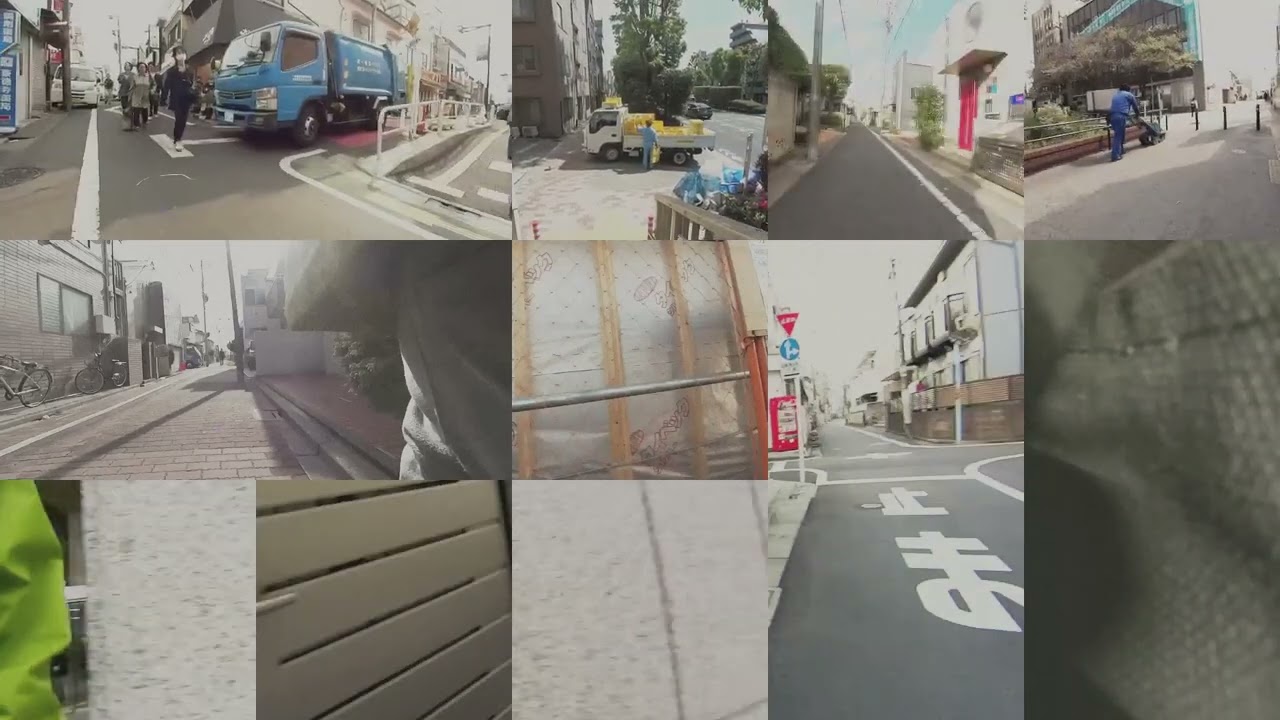
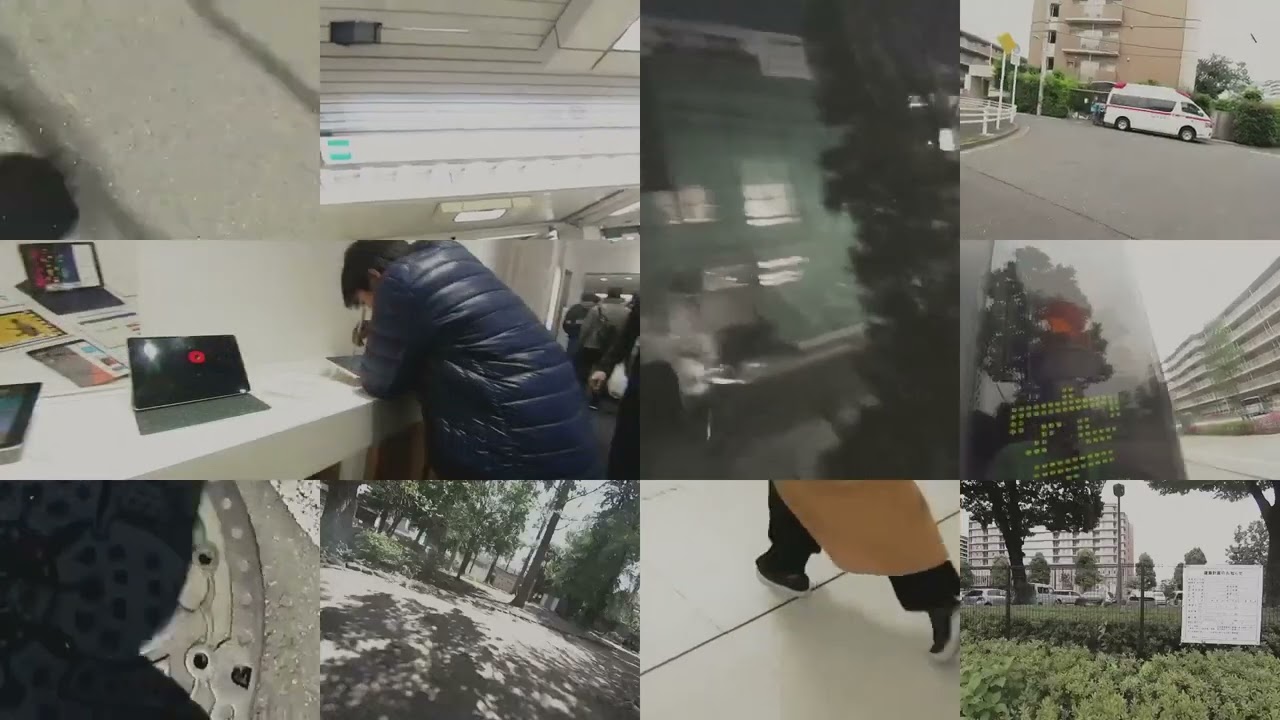
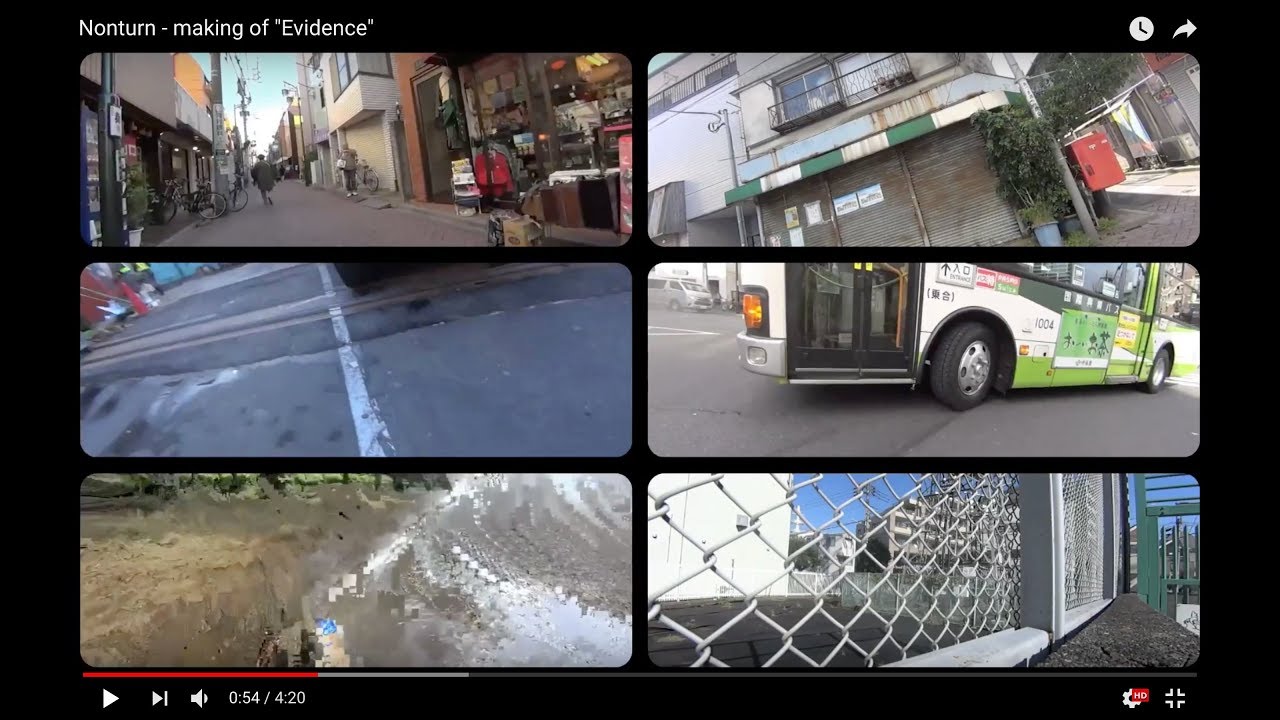
Every sound on the album was filmed at the moment it was recorded. A2MVE, an Ableton-to-video application built for this album, reassembles that footage from the structure of the session itself — which sounds are playing, when, and how many at once. Overlapping sounds split the screen; repeated music repeats the image. Nothing is generated: every frame is real footage.アルバムのすべての音は、録音した瞬間の映像と一緒に記録されている。このアルバムのために作った Ableton 連動の映像アプリ A2MVE が、セッションの構造そのもの ── どの音が、いつ、いくつ同時に鳴っているか ── から映像を組み直す。音が重なれば画面が分割され、音楽が反復すれば映像も反復する。生成された画は一枚もなく、すべて実際に撮影した映像。
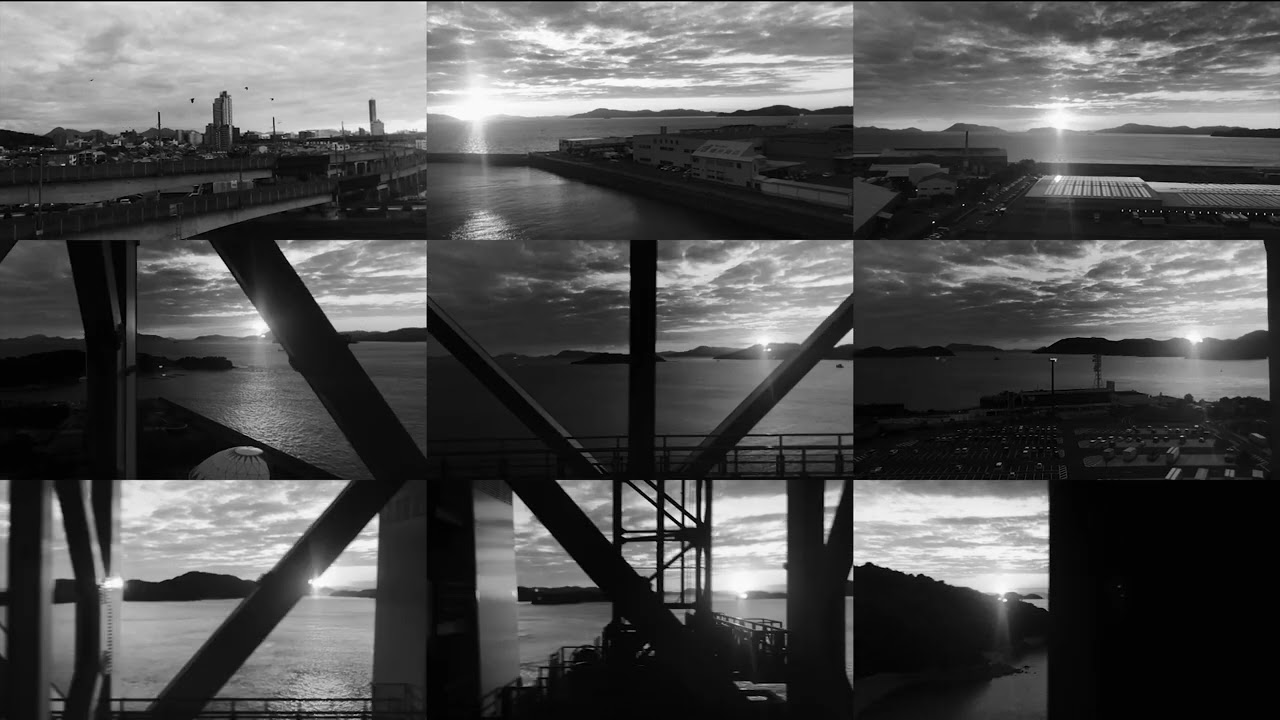
A fifteen-minute train window between Jokoji in Yamagata and Sakaide in Kagawa, stretched by high-speed filming to the 56 minutes and 50 seconds of the album.山形・城下駅から香川・坂出駅までの15分の車窓を、高速撮影で56分50秒のアルバムの長さに引き伸ばしたもの。
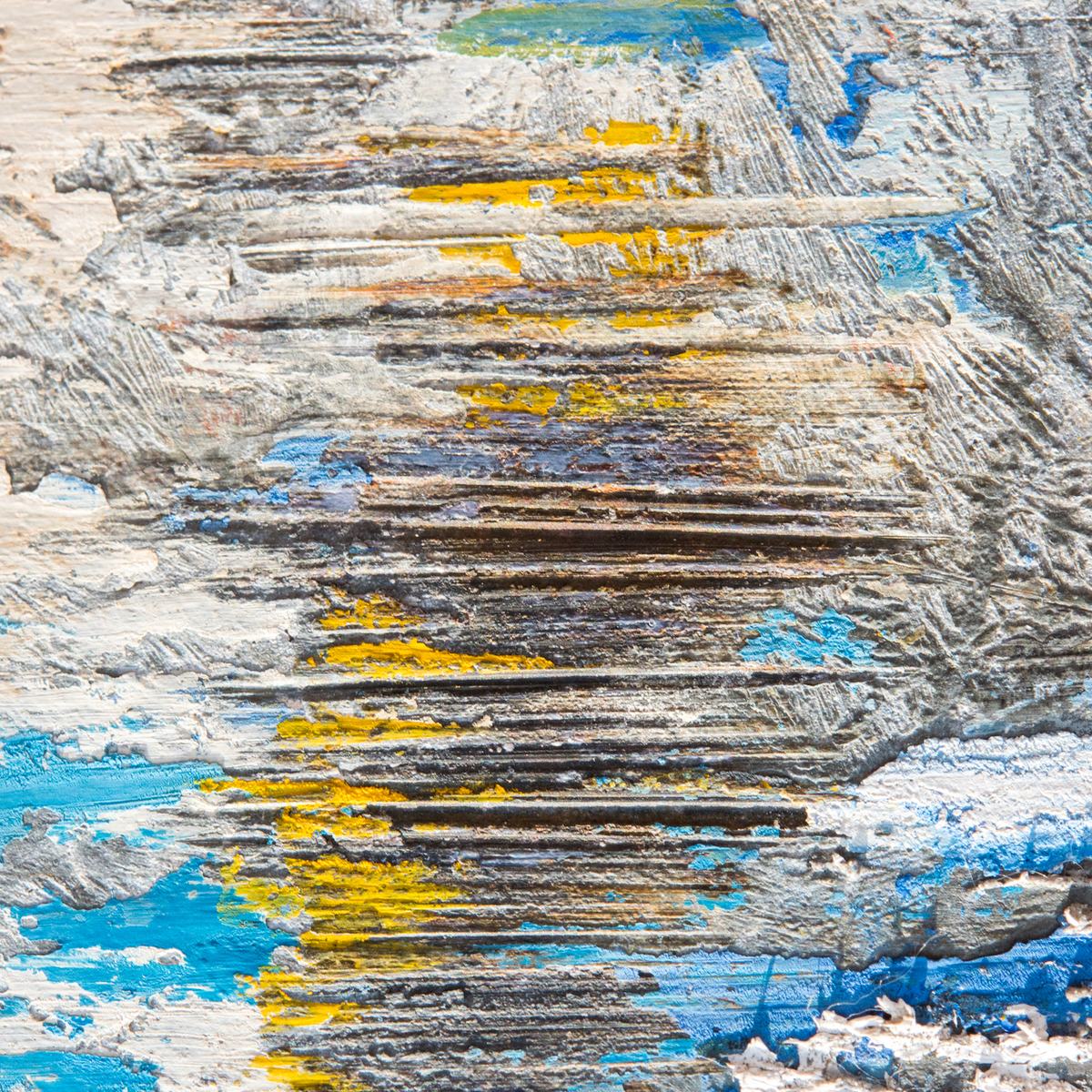
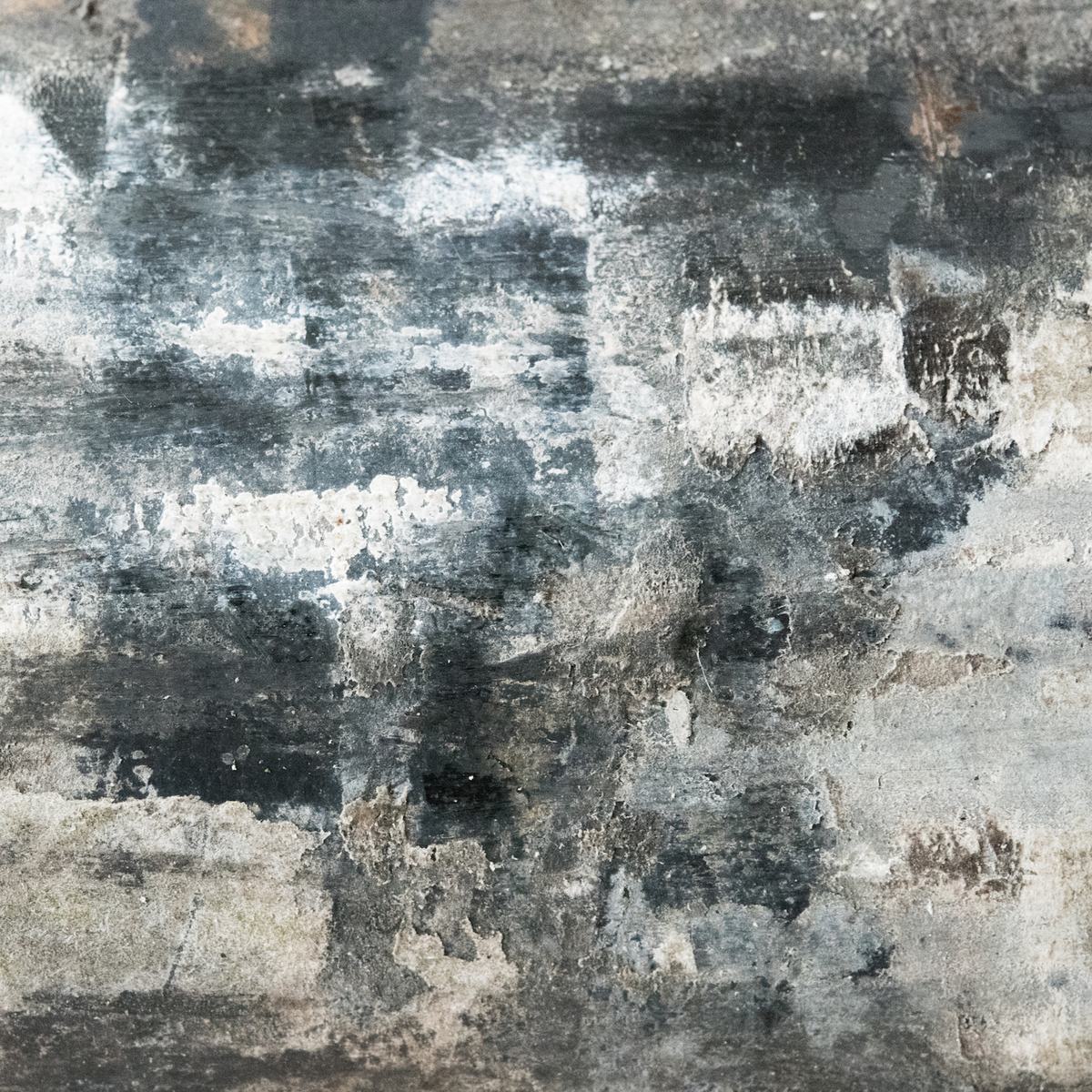
Made in response to the cover photograph. “The image seems like strata, a layer of condensed time. I visualised the lapse of time in accordance with the music that embraces the memory of the image.”カバー写真に応答して作られた作品。「『Identify』の画像は、凝縮された時間の層=地層のようだ。画像の記憶を抱く音楽に寄り添うように、時間の経過を可視化した」
Territory Exhibition TourTerritory Exhibition Tour
Eighteen photographic works shown in the neighbourhoods where Territory was recorded: kong tong, Ikejiri, 16–30 May; SUB Store, Koenji-kita, 2–16 June.『Territory』を録音した街で、写真作品18点を展示。kong tong(池尻)5月16日〜30日/SUB Store(高円寺北)6月2日〜16日。
Music
Repeating Town
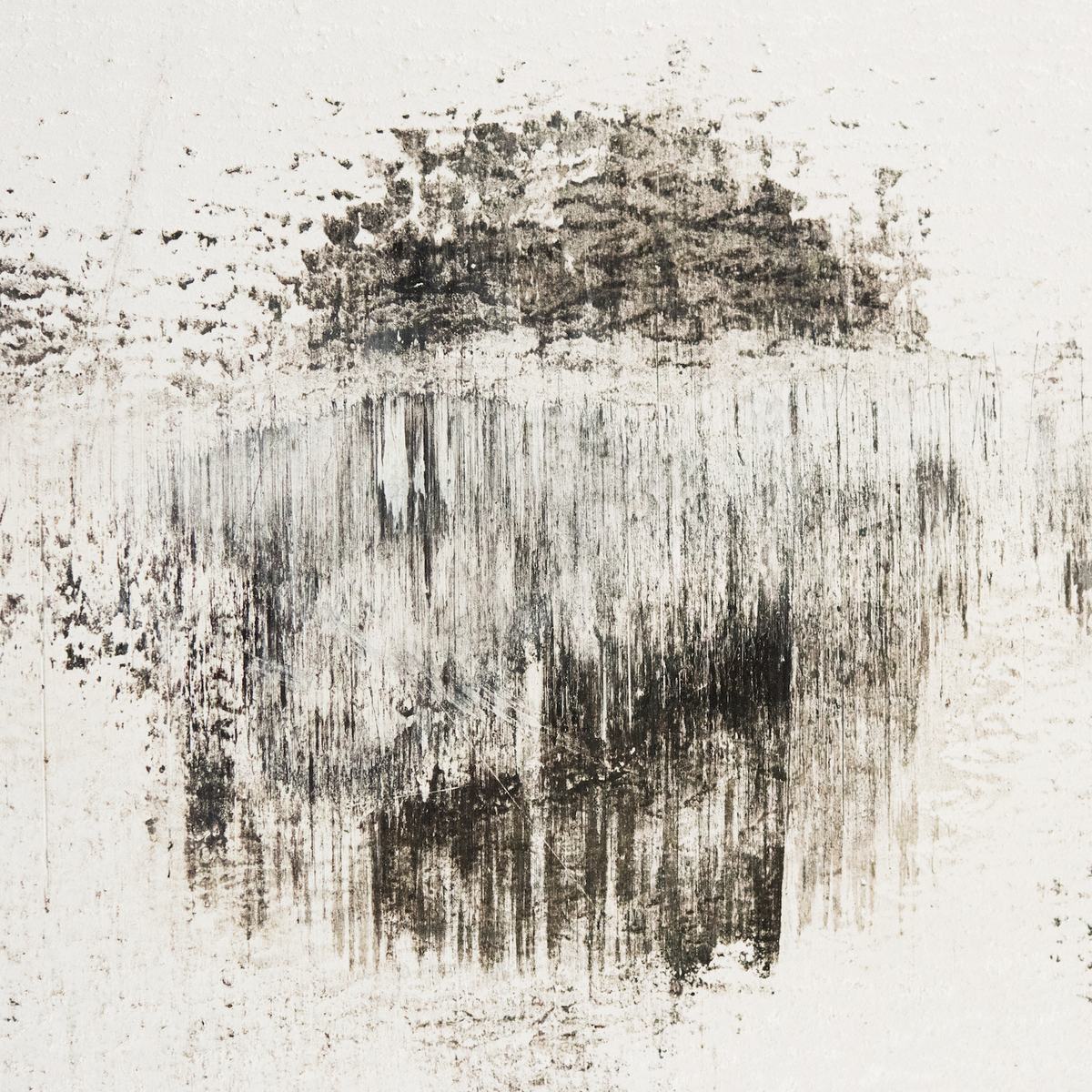
Cover photograph by Nonturnカバー写真:Nonturn
Nonturn / Repeating Town
Audiobulb Records / AB179 / 2026 Release date : 22 August 2026 Format : Digital 7 tracks · all instrumental · all 96 BPM · approx. 38 min発売日 : 2026年8月22日 形態 : デジタル 全7曲 · 全曲インストゥルメンタル · 全曲96BPM · 約38分
Information : audiobulb.com
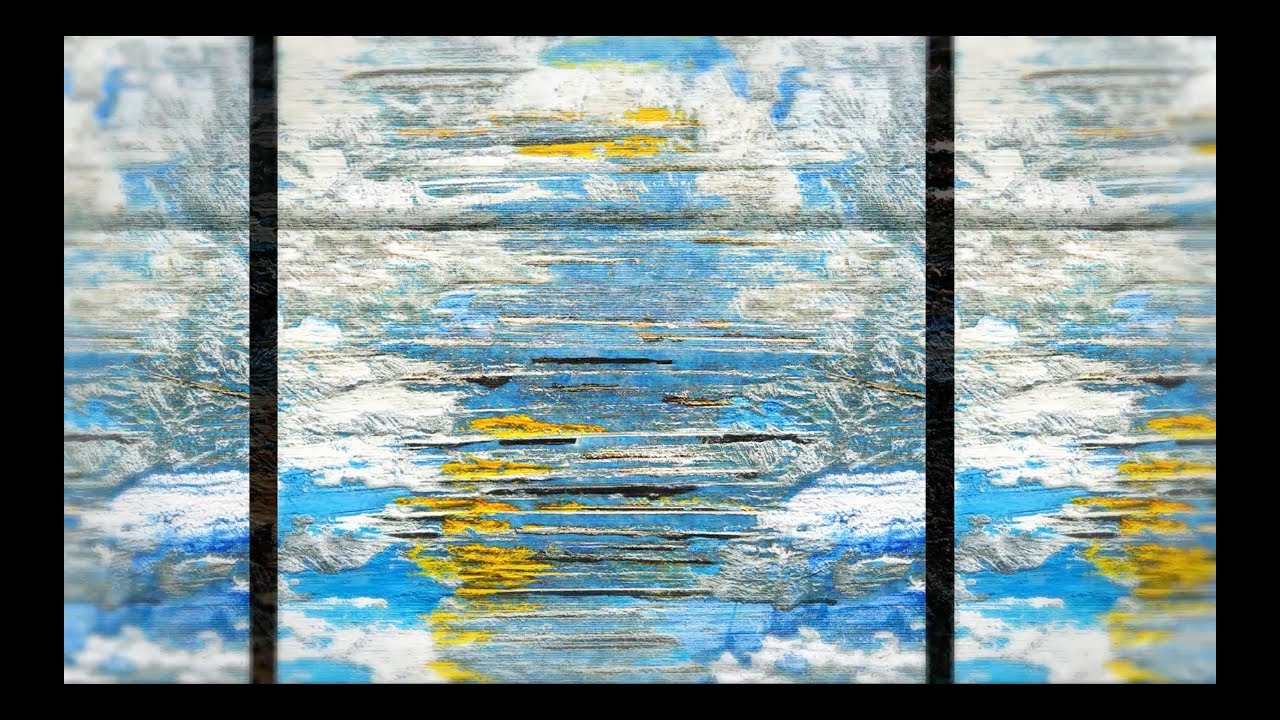
Repeating Town is an album built entirely from the everyday sounds of Koenji, Tokyo and its surroundings — fragments of the city layered upon themselves to construct an imaginary town that keeps resonating as music.
The everyday is made of endless repetition. Traffic signals, cars, footsteps, air conditioning, construction, conversation, the sounds of storefronts: day after day they appear, vanish, and return, as if that is simply how the world works. Nonturn seizes the decisive moments within that repetition, cuts them up, and lets them resonate together. The city's repetition becomes rhythm, its noise becomes structure, and chance becomes musical form.
Yet this is not an album that presents the sounds of the city as noise. The field recordings are treated not as document but as sample. Edited, looped, and layered like a record sliced apart, the city's sounds are built into the grammar of contemporary electronic music.
The work extends the post-instrumental practice begun with his previous album Territory — making music without playing instruments. Industrially produced instruments, distributed through markets and embedded in systems of education, established particular timbres and aesthetics as the standard of music. Recording technology held the potential to reorganize that premise at its root, yet in most cases that freedom was reabsorbed into the reproduction of instrumental sound.
After John Cage, the disposition to hear environmental and chance sounds as music brought a profound shift to the music that followed. But what Nonturn does here is not to present environmental sound as music as it is. He picks up a microphone, records the city over long stretches of time, extracts the fragments that could become music, and edits them into the form of songs.
In Repeating Town, Koenji is not merely a place of recording. It is a living environment, a source of repetition, and the very reality that is transformed into music. What matters is not the rarity of the material but the capacity to see the reality in front of you as music. This album is not a documentary of Koenji. Here, the repeating everyday itself rises into musical form.
In the 1980s, the finance professor Jack Treynor conducted an experiment where he asked students to guess the number of jelly beans inside a jar. The result was that the average guess of the group was superior to the vast majority of the individual guesses. Since then, the idea of collective wisdom has been widely recognized and is now applied to everything from Wikipedia to vaccine development. But is there a way to make use of collective wisdom in creating music?
According to James Surowiecki, author of The Wisdom of Crowds, for a crowd to be wise, it must meet four conditions, namely: diversity of opinion, independence, decentralization, and an aggregation mechanism. For this album, I gathered 60 different sets from a wide variety of sample libraries all over the world, and from these, I selected a total of 500 pieces of audio data. My goal was to use only these samples, editing them to turn them into musical compositions.
First, I took several samples at random and put them together. The more samples I combined, the more muddled the sound became, so I had to edit them to make sure all the parts functioned together suitably. Like clockwork, each individual sound had to be an indispensable part of the whole. Through repeated addition and reduction, the unwanted ego and bias got leveled out, and the parts that survived the selection process became the main motifs of each composition.
After making use of all the samples and working on them for about a year, the songs were finally taking shape. From an aggregation of phrases with diverse roots, musical compositions with novel and original styles were being born. At long last, after borrowing the wisdom of countless people I don't know and shutting myself at home, not meeting anyone or thinking of any specific melody, I was able to finish an album that I was happy with.
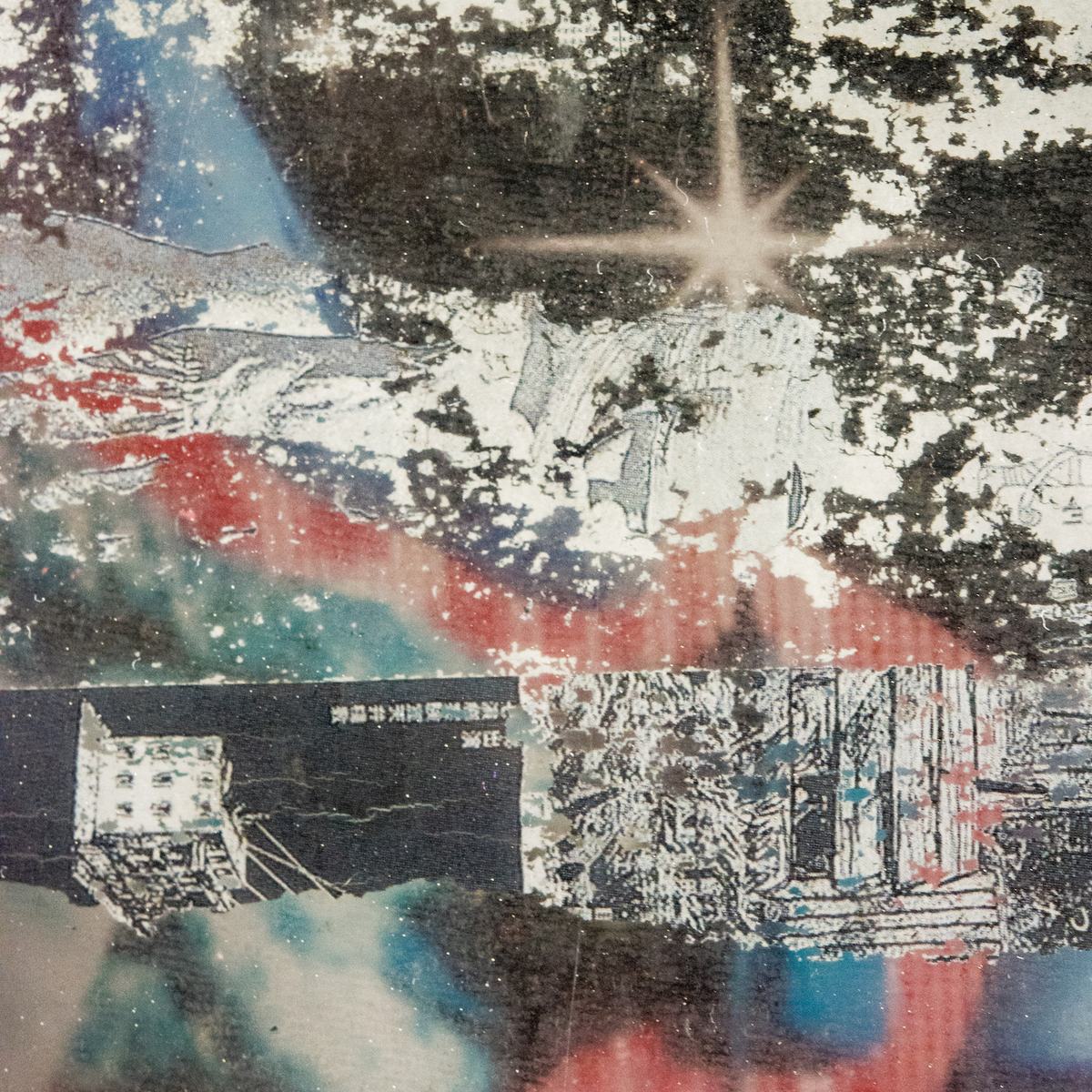
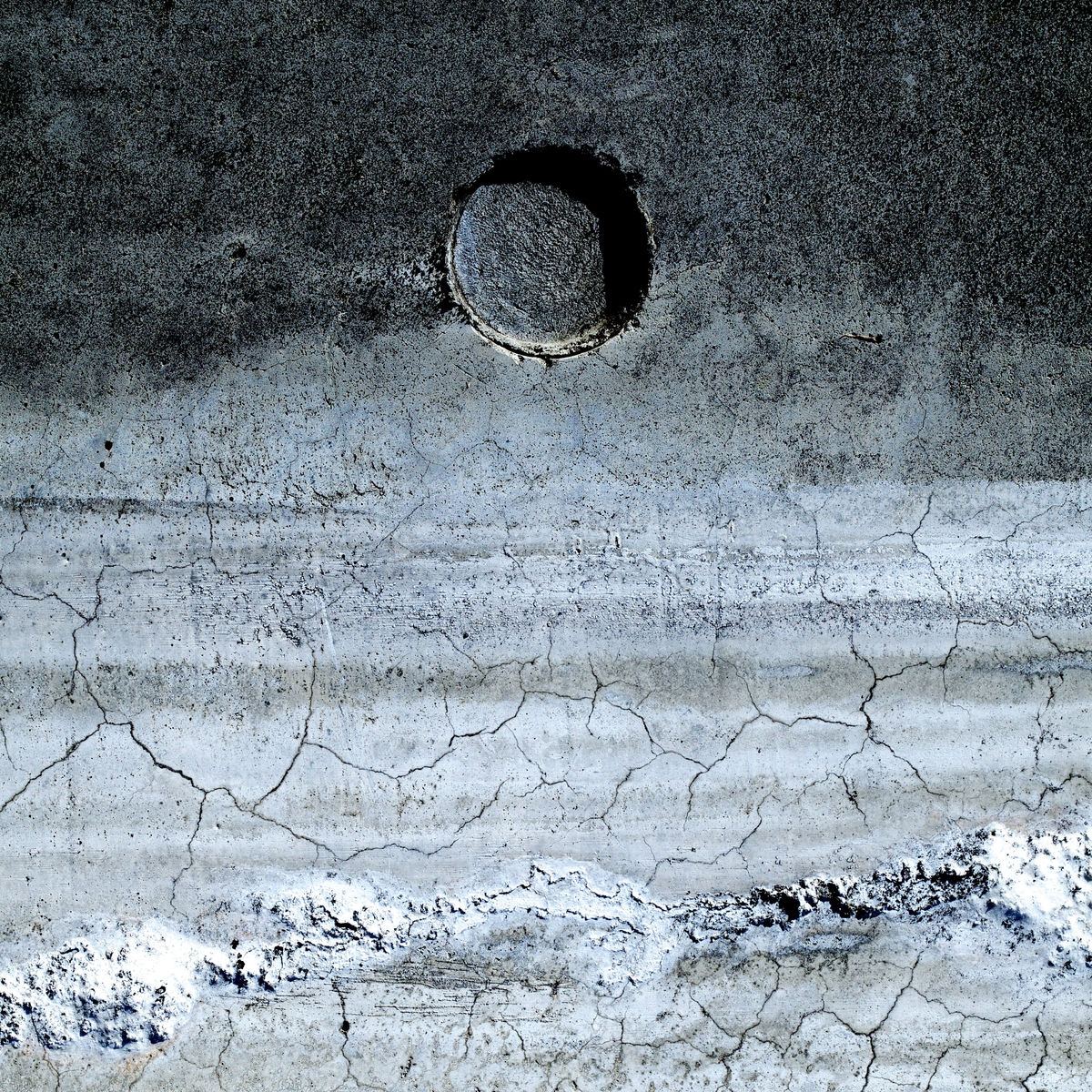
Cover photograph by Nonturn — paint left by cars scraping a concrete postカバー写真:Nonturn / コンクリートの柱に車が擦って残した塗料
Nonturn / Territory
Audiobulb Records / AB077 / 2018
Release date : May 16, 2018
Format : Ltd CD + Digital Download Limited CD : 500 copies, folding-screen edition doubling as a photo book — sleeve design by Takemitsu Takagi限定CD : 写真集を兼ねた屏風型の特殊形状/500枚限定 ── 装丁:高木丈光
Information : audiobulb.com
Territory is a soundtrack for an artwork containing nine images of street walls in Tokyo. Abstract images are hidden in noises inadvertently made by people, or in paints on the walls weathered by wind and rain. The cover is a photograph of paint left by cars that have accidentally scraped against a concrete post.
The composer collected all sorts of sounds people produced at streets for six years. Being processed with computers, tuned, given the rhythm, those sounds build a personal utopia, which echoed the sounds of city and imitated the real world. In this album sounds created by numerous people and chaotic industrial noises are orchestrated and fused into modern hybrid rhythm. It presents a path of a pioneer who explores an uncharted field.
With mullr, 2010 — before Nonturnmullr との共作/2010年 ── Nonturn 以前
An art unit with the electronic musician mullr. The work focuses on distance: oscillators — sirens, the bustle of a street, frogs, engines, a contrabass — were recorded from several dozen metres away, so that the air itself became part of the sound.電子音楽家 mullr とのアートユニット。「距離」を主題にした作品。サイレン、街の喧噪、蛙、エンジン、コントラバスといったオシレーターを数十メートル離れた場所から録音し、空気そのものを音の一部にしている。
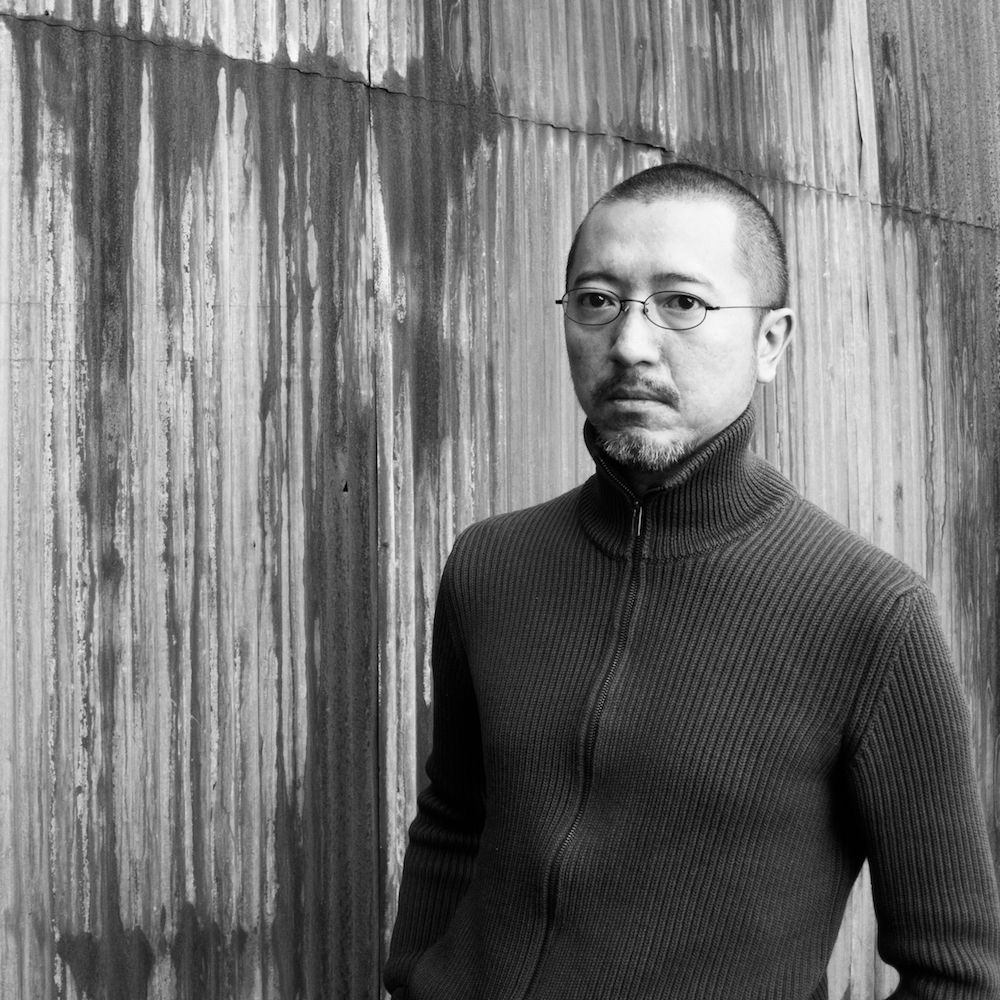
Nonturn is the experimental project of composer Nozom Yoneda, building music from the sounds of the city without a single instrument. From Kanazawa and based in Tokyo, Yoneda works across film, commercial, and television scoring as well as experimental music, primarily as a composer of instrumental works. He trained in jazz theory, debuted on a UK drum'n'bass label in 2004, and moved through club and electronic music toward a minimal, edit-driven style.
At the root of the Nonturn practice is not the mere use of non-instrumental sound, but the question of the grammar into which those sounds are placed. Real-world sound — traffic signals, footsteps, construction, conversation — is treated not as document but as material for sampling, reorganized through an editing sensibility shaped by club culture. His debut Territory (Audiobulb, 2018) was built solely from environmental sound recorded over roughly six years on the streets of Tokyo; Jellybeans (2023) drew on James Surowiecki's book The Wisdom of Crowds to explore collective intelligence in music. His third album, Repeating Town (2026), turns back to material he has recorded in and around Koenji, Tokyo, repeating and layering the city's fragments into a single continuum at 96 BPM, like Territory. Released on Audiobulb Records.
Nonturn名義の実践の根にあるのは、楽器以外の音を使うことそのものではなく、それをどのような文法の中で鳴らすかという問いである。信号、足音、工事、会話といった現実の環境音を、単なる記録ではなくサンプリングとして扱い、クラブカルチャー以降の編集感覚によって自身の音楽の文法へと組み替える。デビュー作『Territory』(Audiobulb, 2018) は約6年にわたって東京の街頭で録音された環境音だけで構築。続く『Jellybeans』(2023) では、ジェームズ・スロウィッキーの著書『群衆の知恵』に着想を得て、音楽における集合知を主題とした。3rdアルバム『Repeating Town』(2026) では、東京・高円寺を中心とした生活圏で録音してきた素材へと立ち返り、街の断片を反復させ、重ね合わせながら、『Territory』と同じ96BPMの上でひとつの連続体へと組み上げている。Audiobulb Records より発表。
Contact
For bookings, press inquiries and general contact.出演依頼・プレスのお問い合わせ・その他のご連絡はこちらから。